

Humans are the most fascinating creatures in the universe, at least until it can be proven that there exists no other living being in the cosmos that surpasses their complexity, intrigue, and intelligence. Among all the marvels in the world, it is the lives, behaviors, thoughts, and accomplishments of humans that captivate us the most. While nature, galaxies, stars, planets, black holes, and the like hold immense interest, they are ultimately composed of mere physical and chemical reactions. Once all their secrets are unraveled, their allure fades. However, humans never cease to astound. The more we learn and explore about them, the more they have to offer in terms of astonishment. Alan Turing, in particular, is among those remarkable individuals whose story is both beautiful and sorrowful.
Alan Turing is one of those who served humanity the most, yet endured some of the worst treatment at the hands of his fellow humans. His story bears resemblance to that of another genius I previously discussed on this platform. I encourage you to read that story as well to gain further insights: J. Robert Oppenheimer and His Beautiful and Sad Story
Who Is Alan Turing?
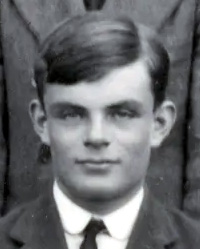

During World War II, Turing played a crucial role in code-breaking efforts at Bletchley Park, the British intelligence center. He led a team that successfully deciphered encrypted messages produced by the German Enigma machine, which greatly aided the Allies in their war efforts. Turing’s work on breaking the Enigma code is estimated to have shortened the war by several years, potentially saving countless lives.
What Is Enigma?
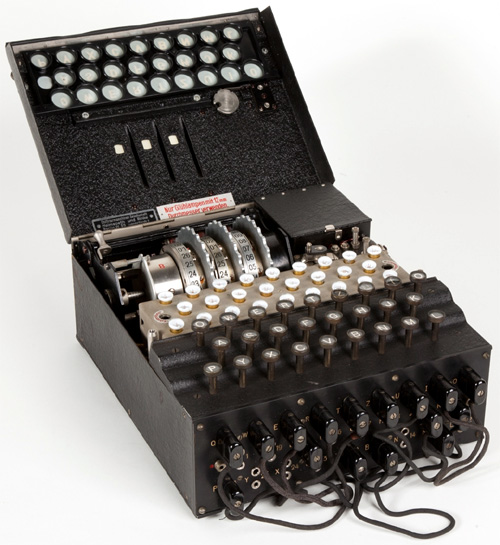
In 1939, the British intelligence center hired Alan Turing to uncover the secret of the Enigma machine, realizing that without this breakthrough, defeating the Nazis would be nearly impossible. Initially, Turing faced significant challenges due to the complexity of Enigma. However, he devised a different machine capable of deciphering encrypted messages, which he named ‘Bombe.’ Unlike Enigma, Bombe was an automated machine. However, it had one drawback—it often provided multiple potential solutions instead of a single definitive answer. In May 1941, they provided Bombe with an old coded message intercepted from the Nazis. Bombe worked on the message and revealed that it contained the Nazis’ war plans for the upcoming week.
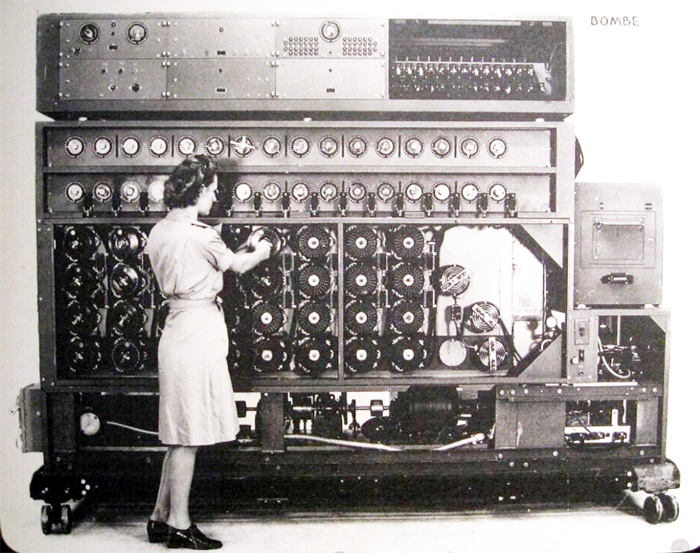
Alan Turing’s remarkable intelligence and creativity empowered the British intelligence center to decode one message every two minutes, an unprecedented feat. The decryption process was shrouded in strict security measures, keeping the British army unaware of how the messages were being deciphered and read. Turing’s achievements were truly extraordinary, surpassing the capabilities of even a billion soldiers. His contributions single-handedly enabled the Allies to achieve numerous victories, including the successful sinking of the German battleship Bismarck, thanks to the strategic deployment of the Bombe tactics.
Alan Turing developed the Bombe, enabling the British intelligence center to decipher all of Germany’s messages by 1945. He was regarded as a hero within the intelligence community. However, Turing’s personal story took a tragic turn. In 1952, he was arrested for participating in a homosexual gathering, which was a criminal offense in the UK at that time. As a result, he was sent to a mental hospital, as was the practice for homosexuals during that era. Regrettably, Turing died by apparent suicide in 1954. His death went largely unnoticed by the public, who were unaware of his contributions to his country and the world. It wasn’t until 2012, after 60 years, that the British government acknowledged and expressed remorse for the mistreatment of their national hero: Alan Turing should be pardoned
Alan Turing altered the course of World War II for the Allies, accomplishing a feat that few individuals could match. In recent years, there has been a rising acknowledgment and admiration for Turing’s accomplishments, accompanied by endeavors to honor his legacy and recognize his pivotal role in shaping the present world. Sadly, this recognition came too late. Turing endured mistreatment and tragically took his own life at the age of 41.
I wrote this article with the intention of conveying a message to those who anticipate recognition and appreciation from others for their contributions. In many instances, the true value of one’s actions may go unnoticed by the world, and it is primarily oneself who comprehends their worth. Perhaps Alan Turing’s tragic decision to end his life stemmed from the disillusionment he experienced when others failed to recognize his immense contributions. The humiliation and ingratitude became unbearable for him. Nevertheless, it is crucial to anticipate the worst and be prepared for it. You alone should recognize your own value, and it is important to adjust our expectations of others accordingly: There’s No Justice! You Must Protect Yourself!