

History often reduces Emperor Norton to a curiosity: a man who thought he was an emperor.
But San Francisco remembers something deeper—a human story about loss, dignity, forgiveness, and a form of authority that never relied on force.
This is not a story about power.
It is a story about how people respond to sincerity.
1. Before the Crown: A Respectable Beginning
Joshua Abraham Norton did not begin his life on the margins.
In mid-19th-century San Francisco, during the Gold Rush era, Norton was a prosperous businessman. He was known, solvent, and ambitious—very much a man of his time. The city itself was young, fast-growing, and volatile. Fortunes were built quickly, and so were expectations.
Norton believed in markets, opportunity, and rational decision-making. He was not reckless by reputation. He was, by all accounts, a man who trusted logic.
That trust would be tested.
2. The Rice Speculation That Destroyed Him
When a famine in China disrupted rice shipments, prices in San Francisco rose sharply. Norton saw an opportunity to stabilize supply—and profit from it. He purchased a massive amount of rice, attempting to control the market.
Then the unexpected happened.
Large shipments arrived from elsewhere, flooding the market. Prices collapsed. Norton’s entire strategy unraveled almost instantly.
He lost:
- his capital
- his business
- his credibility
- and eventually, his legal battles to recover losses
This was not a small failure. It was total financial erasure.
For a man whose identity was tied to competence and success, the collapse was catastrophic.
3. When Reality Becomes Too Heavy
After his ruin, Norton withdrew from public life for a time.
When he returned, he did so transformed—not outwardly violent, not bitter, not vengeful—but changed in how he understood himself.
In 1859, he issued a proclamation declaring himself Emperor of the United States.
Modern language calls this delusion.
Human language calls it a mind trying to survive.
Norton did not build a fantasy of wealth.
He built a fantasy of meaning, dignity, and moral authority—the very things stripped from him by failure.
Importantly, his “empire” demanded nothing from anyone.
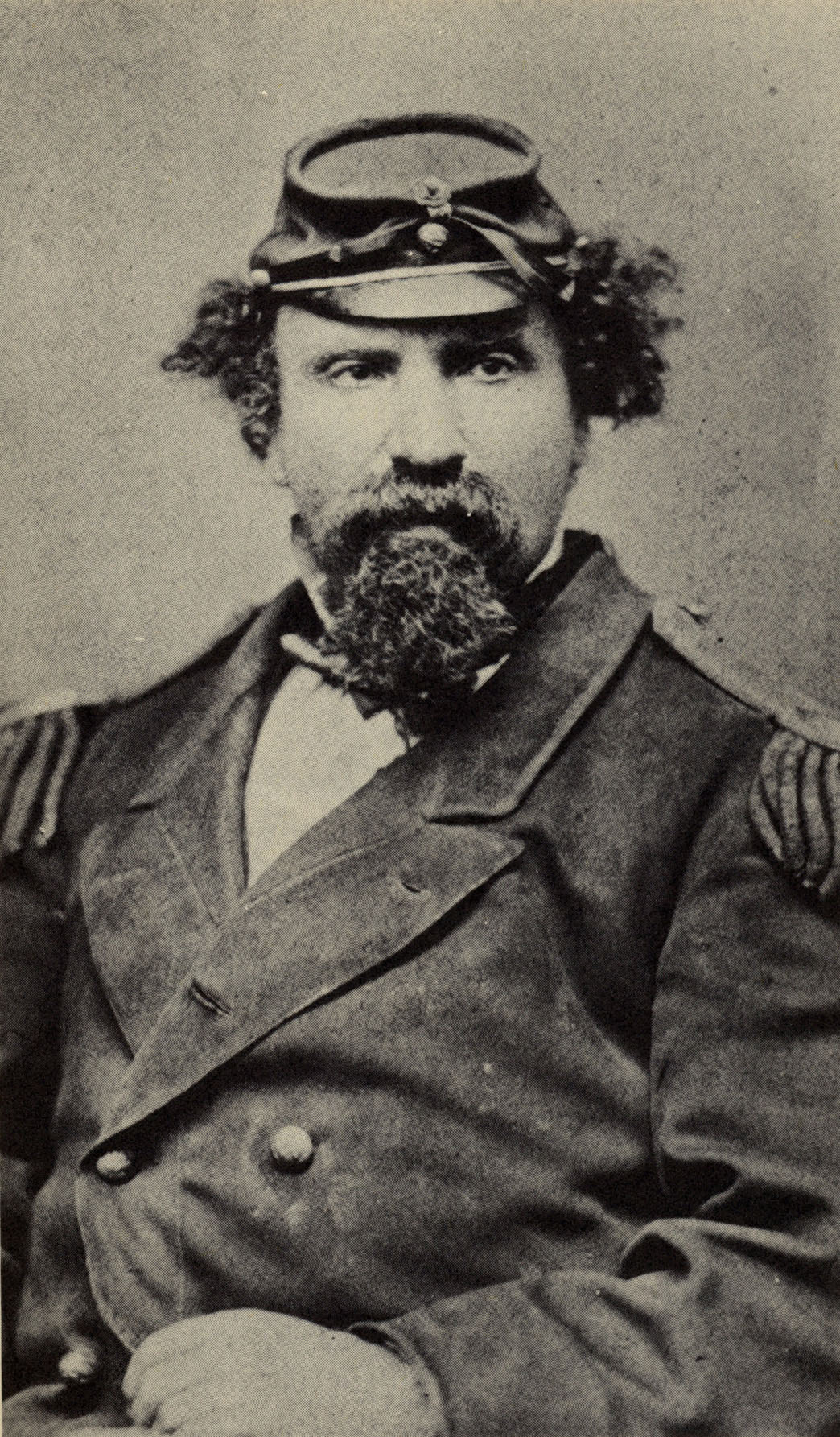

4. The Arrest That Turned a City Against Authority
One of the most defining moments of Emperor Norton’s life occurred in 1867.
A newly arrived police officer—unfamiliar with local custom—arrested Norton for vagrancy and attempted to have him committed to an asylum.
The reaction was immediate and explosive.
Newspapers condemned the arrest.
Citizens protested.
Business owners spoke out.
San Francisco did not see Norton as a threat.
They saw him as one of their own.
Under intense public pressure, Norton was released. But what followed revealed his character more than the arrest itself.
Norton issued a formal imperial pardon—not only forgiving the officer, but absolving him publicly.
There was no anger.
No humiliation.
No retaliation.
Only forgiveness.
From that moment on, police officers across the city began to salute him when he passed.
Authority bowed—not out of fear, but out of respect.
5. A City That Chose to Believe
Emperor Norton walked the streets daily in a self-designed uniform. Shopkeepers fed him. Tailors mended his clothes. Newspapers printed his proclamations.
People did not pretend he was legally an emperor.
They chose to treat him as if dignity itself deserved recognition.
There are many accounts—repeated in local histories—of Norton pausing in the street, kneeling to pray for the city. When people encountered this scene, they did not interrupt or mock him.
They stood quietly.
Police officers saluted.
Passersby went on their way respectfully.
Whether every such account is literally true matters less than this:
The city accepted the story because it fit the man.
6. The Bridge No One Else Could See Yet
Among Norton’s many proclamations, one stands out for its clarity and foresight.
In the early 1870s, he called for the construction of a bridge—or tunnel—connecting San Francisco to Oakland across the bay.
At the time, the idea was dismissed as unrealistic and impractical.
Decades later, the San Francisco–Oakland Bay Bridge was built along the very logic Norton described.
He had no engineering authority.
No funding.
No influence.
Only vision.
In this, Norton revealed something profound:
A man can lose everything—and still see the future more clearly than those who dismiss him.
7. Why He Was Loved
People loved Emperor Norton not because he ruled—but because he never tried to.
His proclamations favored:
- unity over division
- fairness over punishment
- mercy over force
He never enriched himself.
He never harmed anyone.
He never exploited belief.
In a city built on ambition and competition, Norton represented something disarming:
Power without greed.
Authority without violence.
Leadership without coercion.
Closing Reflection
Emperor Norton died poor.
But his funeral drew thousands.
Not because he was rich.
Not because he was sane by narrow definitions.
But because he lived in a way that reminded people what respect feels like.
San Francisco did not pretend he was an emperor.
They treated him like one—
because sometimes, how we choose to see someone matters more than what they own.
Can We Do the Same?
Can we build an empire—not one based on force, authority, or power—but one built on love, respect, and trust?
When I first learned the story of Emperor Norton, it immediately reminded me of LuckScout.
Not because of titles or dreams of grandeur—but because of the foundation.
Emperor Norton never forced anyone to follow him.
He never took advantage of people.
He never asked for money, loyalty, or belief.
Yet people respected him.
They supported him.
They protected him.
Because what he represented felt human.
When I reflected on that, I realized something unexpected:
Without even knowing his story, we were trying to do something very similar with LuckScout.
A community built on love and respect.
A place that does not exploit people’s hope.
A platform that does not ask for money, does not trap anyone, does not deceive.
Just a genuine attempt to help people improve their lives—slowly, honestly, and together.
To earn something in their free time.
To grow step by step.
And hopefully, one day, to reach financial freedom—and help others do the same.
Emperor Norton imagined a kinder system when the real one failed him.
LuckScout tries to offer a kinder path in a world full of scams, pressure, and false promises.
So the question remains—not as a claim, but as an invitation:
Do you think we are doing the same with LuckScout?
And more importantly—do you think we can do the same?
Just like San Francisco once chose to believe in an emperor who ruled with nothing but dignity,
perhaps the real power has always been here:
In choosing respect over force.
Community over control.
And humanity over profit.
What do you think?
We achieve our goals not immediately, but steadily and surely! 🌟🚀💖
Learn More How This System Works:

You can see the same video as slides:
More about this revolutionary system:
- LuckScout in Simple Words
- What LuckScout Is NOT
- LuckScout Is Created Based on Love❤️
- How Does LuckScout Work?
- Why Is LuckScout Innovative, Revolutionary and Unique?
- LuckScout Is a Strong Community to Make Everyone Strong
- The Safest and Best Way to Achieve Financial Freedom
- A Great Way to Achieve Financial Freedom
- LuckScout Looks Simple, But It Is the Most Advanced System Ever
- The Modern Form of Affiliate System
- How to Make Money Online No Experience No Investment No Scam
- How Long Does It Take to Succeed?!!
- Make Money While You Sleep😴
- A Simple Success Formula that Works Like a Charm
- Fresh Insights Into Luckscout
- How The LuckScout Marketplace Benefits Our Members
- LuckScout Infinite Credit Scheme
- Do I Need a Laptop?


- Answering Some Questions About LuckScout
- Luckscout Is About Making a Fortune for You
- New Sources of Income
- Things You Didn’t Know About LuckScout
- Achieving Financial Freedom
- Make LuckScout a Vital Part of Your Financial Freedom Journey
- This Is a Scam! 😲
- What Is Our Ultimate Goal?
- You Are in the Right Place
- LuckScout Hope Ticket 🎟️✨😃
- Thankful or Complaining — Which One Are You?

And please see these pages too:
- Start From Here
- How It Works
- Your Points
- FAQs
- Become an Independent Self-Sufficient Wealth-Builder for Free and Risk-Free
Haven’t you joined The LuckScout Community yet???
Click Here to sign up.
See you on board!😃❤️🌺🌹💝🌸🎊🎉✨🌹👑🍺👏