

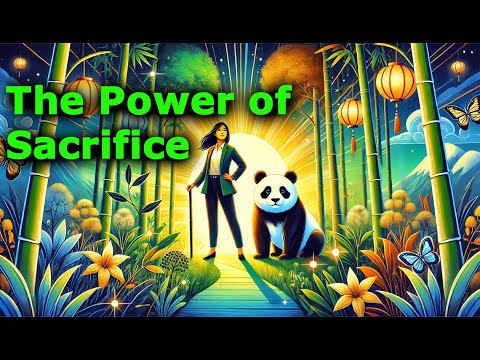
Success in business is often portrayed as glamorous and effortless, but behind every successful venture lies a story of perseverance, sacrifice, and unwavering commitment. Julie Chen, co-founder of Cheeky Panda, is a prime example of a business leader who defied the odds and made immense sacrifices to build a global, eco-friendly brand. Her journey from a spare room startup to a multi-million-pound enterprise is a powerful testament to the importance of sacrifice in achieving long-term success.
The Birth of Cheeky Panda
Cheeky Panda was founded in 2016 by Julie Chen and her husband, Chris Forbes. The idea for the business came from an unusual source—a visit to a bamboo farm in China, where they saw the potential of this sustainable resource to revolutionize the paper industry. Bamboo, known for its rapid growth and minimal environmental impact, seemed like a perfect material for making eco-friendly household products such as toilet paper, tissues, and kitchen towels.
Despite the brilliance of their idea, Chen and Forbes faced significant challenges. They had no large-scale investment or financial safety net to fall back on. Instead, they began their journey from their spare room, relying heavily on their personal savings and a dream of creating an environmentally responsible brand. Like many entrepreneurs, they faced the harsh reality that building a business from scratch requires a lot of time, money, and energy—resources that are often stretched thin in the early days.
Sacrificing Comfort and Security
One of the most striking aspects of Julie Chen’s entrepreneurial journey is the immense personal sacrifice she made to bring Cheeky Panda to life. After moving to the UK from China and working for several Japanese companies, Julie had built a stable and promising career in commodities and supply chain management. However, when she and her husband decided to launch Cheeky Panda, they had to walk away from the comfort and security that traditional employment offered.
Starting a business, especially in a niche market like eco-friendly products, was a risky move. The couple knew they were stepping into uncharted territory, with no guarantee of success. The decision to leave behind steady income and a secure future was a huge sacrifice in itself. Julie and Chris were willing to forgo immediate financial stability, focusing instead on the long-term potential of their business and their passion for sustainability.
Building Cheeky Panda also meant sacrificing time with family and friends. The early days of the business required long hours and intense focus. As with many entrepreneurs, Julie and Chris found that their personal lives often took a back seat to the demands of growing their company. The startup phase, particularly in an industry as competitive as consumer goods, required them to work tirelessly, often at the expense of their own well-being and personal relationships.
Crowdfunding: A Testament to Sacrifice and Faith
One of the most defining moments in Cheeky Panda’s journey was the decision to turn to crowdfunding for their initial capital. Rather than seeking institutional investment from venture capitalists or banks, Julie and Chris opted for a more grassroots approach, allowing eco-conscious consumers and early supporters to contribute to their vision. Their first crowdfunding campaign on Seedrs raised enough money to purchase their first batch of stock and launch their product line.
Crowdfunding, while an exciting opportunity, came with its own set of challenges. It required Julie and Chris to invest significant time and energy into marketing their campaign, pitching their idea, and convincing people of the product’s value. It was a gamble—one that could have failed if the public hadn’t embraced the concept of bamboo-based household products. However, the campaign’s success demonstrated that there was indeed a market for eco-friendly alternatives to traditional paper products, and it gave Julie and Chris the validation they needed to continue pushing forward.
Sacrificing traditional funding avenues in favor of crowdfunding also meant giving up some control over the business. Crowdfunding campaigns typically involve offering equity in exchange for investments, and Julie and Chris had to navigate the complexities of maintaining their vision while also fulfilling the expectations of their investors. Yet, they persevered, understanding that short-term sacrifices would ultimately lead to long-term growth.
Resilience in the Face of Challenges
Like any entrepreneur, Julie Chen faced her fair share of setbacks along the way. Navigating the complex world of supply chains, particularly in an international market, posed numerous challenges. Sourcing bamboo from China and ensuring that their products met the highest environmental standards required meticulous planning and attention to detail. Any misstep could have jeopardized the company’s reputation and financial stability.
Moreover, entering the competitive market of household products—dominated by massive corporations—was no easy feat. Cheeky Panda was up against established brands with far greater resources and marketing budgets. Yet, Julie and Chris remained undeterred. They relied on their unwavering belief in their mission and their willingness to endure short-term hardships for long-term gains.
This resilience paid off. Today, Cheeky Panda products are available in over 25 countries, and the company has achieved a turnover of £12 million. Their range of bamboo-based products is not only popular with consumers but has also gained recognition for its environmental impact. Cheeky Panda has been certified by various eco-labels, including B Corp, further solidifying its reputation as a leader in sustainable products.
The Power of Sacrifice in Business
Julie Chen’s story highlights a crucial lesson for anyone aspiring to succeed in business: significant achievements often require significant sacrifices. Building Cheeky Panda meant giving up personal comfort, financial security, and time, but it also meant creating something far greater in the long run. Her sacrifices allowed her to build a brand that not only thrives in the marketplace but also contributes positively to the environment.
For Julie, the sacrifices weren’t just about financial risks—they were about committing to a vision and standing by it, even when the odds seemed stacked against her. Her dedication to sustainability and her belief in the potential of bamboo as a renewable resource helped her persevere through the challenges, and it’s this same dedication that continues to drive Cheeky Panda’s success today.
In an interview, Julie mentioned how wearing her brand became an essential part of Cheeky Panda’s growth. As she attended events and trade shows, donning her playful “panda hat,” Julie made sure to stand out, network, and leave a lasting impression on potential investors and customers. This creative approach helped her market the brand in an industry where differentiation is often difficult.
Conclusion: A Legacy of Sustainability and Success
Julie Chen’s journey with Cheeky Panda is a remarkable example of how sacrifice, resilience, and a clear vision can lead to extraordinary success. Her willingness to take risks, forgo short-term rewards, and put her entire self into the business has paid off in ways that go far beyond financial gain. Cheeky Panda is not just a profitable company—it’s a brand that reflects a deep commitment to sustainability and environmental responsibility.
For anyone seeking financial freedom and success, Julie Chen’s story is an inspiration. It reminds us that success is often the result of hard work, long-term vision, and the sacrifices we are willing to make today for a better tomorrow. Cheeky Panda’s rise to success stands as a powerful example that with resilience and dedication, even the most ambitious dreams can become a reality.
The good news for you is that you don’t have to take the same risks and make the sacrifices that Julie Chen did because there is now a different way to achieve financial freedom—one that is easier and risk-free. By joining the LuckScout community and following our financial freedom roadmap, all it takes is consistent, strong participation: Achieving Financial Freedom: A Step-by-Step Guide to Building Passive Income
We achieve our goals, not immediately, but slowly and surely!
Learn More How This System Works:

You can see the same video as slides:
More about this revolutionary system:
- LuckScout in Simple Words
- What LuckScout Is NOT
- LuckScout Is Created Based on Love❤️
- How Does LuckScout Work?
- Why Is LuckScout Innovative, Revolutionary and Unique?
- LuckScout Is a Strong Community to Make Everyone Strong
- The Safest and Best Way to Achieve Financial Freedom
- A Great Way to Achieve Financial Freedom
- LuckScout Looks Simple, But It Is the Most Advanced System Ever
- The Modern Form of Affiliate System
- How to Make Money Online No Experience No Investment No Scam
- How Long Does It Take to Succeed?!!
- Make Money While You Sleep😴
- A Simple Success Formula that Works Like a Charm
- Fresh Insights Into Luckscout
- How The LuckScout Marketplace Benefits Our Members
- LuckScout Infinite Credit Scheme
- Do I Need a Laptop?


- Answering Some Questions About LuckScout
- Luckscout Is About Making a Fortune for You
- New Sources of Income
- Things You Didn’t Know About LuckScout
- Achieving Financial Freedom

And please see these pages too:
- Make Money with LuckScout
- Your Points
- FAQs
- Become an Independent Self-Sufficient Wealth-Builder for Free and Risk-Free
Haven’t you joined The LuckScout Community yet???
Click Here to sign up.
See you on board!😃❤️🌺🌹💝🌸🎊🎉✨🌹👑🍺👏