


In my previous article, which focused on making decisions based on facts, I discussed the concept of the “fear of missing out” or FOMO. However, I believe that this concept requires further elaboration.
Fear of Missing Out, commonly referred to as FOMO, is a psychological phenomenon characterized by the fear or anxiety that one is missing out on something exciting, interesting, or rewarding that others might be experiencing. This can manifest in various situations, such as social events, experiences, opportunities, or even online activities like social media posts, events, or trends. People experiencing FOMO often have a strong desire to stay connected and involved to avoid the feeling of being left out.
FOMO can hurt people in several ways:
Anxiety and Stress
Constantly worrying about missing out on something can lead to heightened levels of anxiety and stress. The fear of not being part of every event or opportunity can create a chronic state of tension and unease.
Comparison
FOMO often involves comparing oneself to others who appear to be having more exciting or fulfilling experiences. This can lead to feelings of inadequacy, low self-esteem, and a negative self-perception.
Dissatisfaction
People who are plagued by FOMO might find it difficult to be content with their current experiences. They might feel that what they’re currently doing is not as good as what others are doing, leading to a cycle of perpetual dissatisfaction.
Decision Paralysis
FOMO can make decision-making challenging. People may feel overwhelmed by the fear that choosing one option will mean missing out on something better. This can lead to procrastination, indecision, and missed opportunities.
Social Isolation
Ironically, while FOMO is driven by the fear of missing out on social events, it can also lead to isolation. Constantly trying to keep up with everything can result in burnout and reduced time for genuine social interactions.
Reduced Enjoyment
The constant need to document and share experiences in order to feel included can detract from the actual enjoyment of those experiences. People might prioritize capturing the moment for others rather than living in the moment themselves.
Time and Energy Drain
FOMO can be time-consuming and mentally draining. Constantly monitoring social media, attending events out of obligation, and trying to keep up with trends can divert energy away from other important activities and responsibilities.
Financial Implications
FOMO-driven behavior might lead to overspending on experiences, events, or products that are not aligned with one’s values or financial means. I’ve explained here how FOMO caused people to overinvest on dot-com bubble and lose a lot because of it.
Impaired Sleep
The anxiety associated with FOMO can interfere with sleep patterns, leading to insomnia or disrupted sleep, which in turn can negatively impact overall well-being.
How to Control FOMO
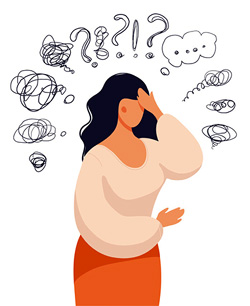

Have you ever experienced FOMO? Has it ever caused you any distress? Please share your thoughts in the comments 🙂