
The costs of running a convenience store can vary significantly across different cities around the world and are dependent on numerous factors. To provide a relatable scale, I will focus on a well-known city like New York.
What Is a Convenience Store?
Promoting a convenience store is one of the most popular small businesses (also read this and this), perhaps because people believe it is easy and doesn’t require any special experience or skills. To start a bakery, for instance, you need to be a baker. However, starting a convenience store doesn’t necessitate any specific background. It is often perceived as simply selling items like milk, eggs, ice cream, and so on. This is the general perception held by many. However, let’s examine whether they are correct or not.
A convenience store is a small retail establishment that offers a wide range of everyday items and essential goods to customers in a convenient and accessible manner. Typically found in urban areas or along busy streets, these stores cater to the immediate needs of shoppers, providing a quick and hassle-free shopping experience. Convenience stores are characterized by their extended operating hours, often staying open 24 hours a day, seven days a week. They stock a variety of products such as snacks, beverages, basic groceries, personal care items, tobacco products, and often have services like ATMs or small food counters. The primary focus of a convenience store is to provide convenience, accessibility, and speed to customers seeking items for immediate consumption or use.
What Are the Costs of Running a Convenience Store in New York?
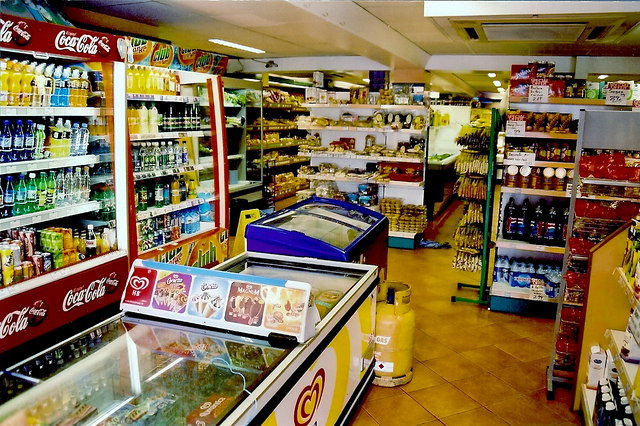
The costs of running a convenience store in New York can vary based on several factors. Here are some of the key expenses typically associated with operating a convenience store in the city:
1. Rent:
Rent prices in New York City can be considerably high, especially in prime locations with heavy foot traffic. The cost of leasing or renting the store space will depend on the size, location, and demand in the specific neighborhood.
2. Utilities:
Utility expenses include electricity, water, heating, and cooling. These costs can vary based on the size of the store, equipment used, and energy consumption.
3. Inventory:
Maintaining a well-stocked inventory of various products is crucial for a convenience store. The cost of purchasing inventory, such as snacks, beverages, groceries, toiletries, tobacco products, and other items, can vary depending on the supplier, quantity, and quality of products.
4. Staffing:
Hiring employees to manage the store, handle customer service, and perform various tasks is an essential cost. Employee wages will depend on factors like experience, responsibilities, and local labor laws.
5. Licensing and permits:
Convenience stores in New York City need to comply with various licensing and permit requirements, such as obtaining a retail food store license, tobacco license (if selling tobacco products), and potentially a lottery license (if offering lottery tickets). The associated fees for these permits should be taken into account.
6. Equipment and fixtures:
Purchasing or leasing equipment like refrigeration units, cash registers, shelving, security systems, and POS (point of sale) systems is necessary. Additionally, ongoing maintenance and repair costs should be considered.
7. Marketing and advertising:
Promoting the convenience store and attracting customers may require marketing efforts such as signage, local advertising, online presence, and promotions. The expenses for marketing campaigns should be factored into the overall cost.
8. Insurance:
Obtaining adequate insurance coverage, including liability insurance, property insurance, and worker’s compensation insurance, is essential to protect the store from potential risks and liabilities. The insurance costs can vary based on the coverage and the store’s location.
As a rough estimation, monthly costs can range from $5,000 to $20,000 or more. Rent for a small to medium-sized store could be around $3,000 to $10,000 per month, while utilities may amount to approximately $500 to $1,000. Inventory costs can vary significantly, but a moderate estimate could be around $8,000 to $12,000 per month. Staffing expenses, including wages and payroll taxes, might account for $4,000 to $8,000. Other expenses such as licensing and permits, equipment and fixtures, marketing, and insurance could contribute an additional $2,000 to $5,000 per month. It’s important to note that these are approximate figures, and actual costs can vary substantially depending on specific circumstances and business decisions.
Therefore, a general estimate for the range of funds needed to start a convenience store in New York City would typically fall between $50,000 and $250,000 or more.
How Much Money a Convenience Store Makes on average in New York?
Here is a breakdown of the monetary value of expenses and costs, as well as the potential income, followed by the calculation of the net profit range for a convenience store in New York. Please note that these figures are estimates and can vary based on individual circumstances:
Expenses and Costs:
Rent: $3,000 to $10,000 per month
Utilities: $500 to $1,000 per month
Inventory: $8,000 to $12,000 per month
Staffing: $4,000 to $8,000 per month
Licensing and permits: $500 to $1,000 annually
Equipment and fixtures: $10,000 to $50,000 (one-time cost)
Marketing and advertising: $500 to $2,000 per month
Insurance: $2,000 to $5,000 annually
Income:
The potential income of a convenience store can vary based on factors mentioned earlier, but as a rough estimation, annual gross income can range from $250,000 to $1 million or more.
Calculation of Net Profit Range:
To calculate the net profit range, we need to subtract the total expenses from the gross income. Assuming an average gross income of $500,000 per year, let’s consider a range for total expenses:
Low-end expenses:
($3,000 + $500 + $8,000 + $4,000 + $500 + $10,000 + $500 + $2,000) * 12 = $336,000
High-end expenses:
($10,000 + $1,000 + $12,000 + $8,000 + $1,000 + $50,000 + $2,000 + $5,000) * 12 = $1,056,000
Net profit range = Gross income – Total expenses
Or:
$500,000 – ($336,000 to $1,056,000) = -$836,000 to $720,000
Please note that the net profit range mentioned above is before considering additional taxes and unforeseen expenses.
Do You Still Want to Consider Running a Convenience Store After the Above Calculations?
The range of -$836,000 to $720,000 is scary, isn’t it? There’s a wide spectrum of uncertainty, with the potential to lose a substantial amount of money in the vast territory between -$836,000 and breakeven, or to make a small profit above zero, or even to achieve significant profits approaching $720,000.
Thus far, this article has focused solely on the costs and profits involved. I have yet to delve into the challenges of establishing and managing a convenience store, as many people mistakenly believe it requires no skills or specific background. If I were to cover those aspects as well, you might reconsider the idea the next time someone mentions starting a convenience store. Despite its popularity, primarily due to the perception of it being easy to run, it is crucial to recognize that a convenience store is one of the riskiest small businesses to pursue.
If you have been fortunate enough not to have incurred any financial losses in running a small business, such as a convenience store, up to this point, and you are currently reading this article, consider yourself even luckier. You are in the perfect position to capitalize on an opportunity that allows you to earn money from the comfort of your home, without the need to be concerned about the challenges, expenses, and risks typically associated with starting a small business. You are in the right place at the right time.
We achieve our goals, not immediately, but slowly and surely!
Learn How Our System Works:
You can see the same video as slides:
More about this revolutionary system:
- LuckScout in Simple Words
- What LuckScout Is NOT
- LuckScout Is Created Based on Love❤️
- How Does LuckScout Work?
- Why Is LuckScout Innovative, Revolutionary and Unique?
- LuckScout Is a Strong Community to Make Everyone Strong
- The Safest and Best Way to Achieve Financial Freedom
- A Great Way to Achieve Financial Freedom
- LuckScout Looks Simple, But It Is the Most Advanced System Ever
- The Modern Form of Affiliate System
- How to Make Money Online No Experience No Investment No Scam
- How Long Does It Take to Succeed?!!
- Make Money While You Sleep😴
- Get Ready for the Luckscout Trading Program
- How Compound Interest Works With a Small Budget
- A Simple Success Formula that Works Like a Charm
- The LuckScout Compound Growth Engine
And please see these pages too:
- Make Money with LuckScout
- Your Points
- FAQs
- Become an Independent Self-Sufficient Wealth-Builder for Free and Risk-Free
Haven’t you joined The LuckScout Community yet???
Click Here to sign up.
See you on board!😃❤️🌺🌹💝🌸🎊🎉✨🌹👑🍺👏