
One of the best ways to maintain your momentum and enthusiasm when working toward a goal—such as achieving financial freedom through the LuckScout community—is to learn about those who started from nothing and became incredibly successful. You’ll find many articles about such individuals on this site (here). Today, I’d like to introduce you to another remarkable figure you’ve probably never heard of: Cornelius Vanderbilt.
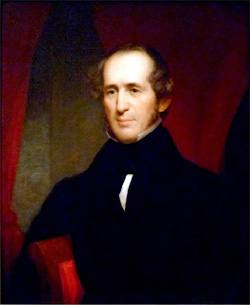 Cornelius Vanderbilt was a self-made American business magnate who rose from humble beginnings to become one of the richest men in history. Born in 1794 to a poor immigrant family, he left school at age 11 and started working with his father on a small ferry boat in New York Harbor. At just 16, he borrowed $100 from his mother to buy his own boat and began transporting goods and passengers. He worked tirelessly, expanded his fleet, and eventually built a thriving steamboat business. Later, he shifted into railroads, where he made the bulk of his fortune. His sharp business instincts, relentless work ethic, and willingness to take calculated risks turned him into a transportation empire builder—and by the time of his death in 1877, he was the wealthiest man in the United States.
When Cornelius Vanderbilt died in 1877, his fortune was estimated at over $100 million. You might think that’s not a lot compared to today’s billionaires—but prepare to be shocked: the U.S. Treasury reportedly had less than $45 million in cash reserves at the time. That means Vanderbilt personally controlled more money than the entire U.S. government—a remarkable testament to how massive his fortune was in the 19th century, especially considering he started with almost nothing.
Get ready to be even more shocked—Cornelius Vanderbilt wasn’t just a wealthy man; he was one of the key figures who helped build the United States. Alongside other industrial giants like Andrew Carnegie (steel), John D. Rockefeller (oil), J.P. Morgan (finance), and Henry Ford (automobiles), Vanderbilt played a foundational role in shaping the nation’s economy and infrastructure. These men didn’t just get rich—they helped build modern America.
Was it easy to achieve this back then? It was actually much harder than it is today.
1. Poverty and No Formal Education
Vanderbilt was born into a poor family on Staten Island in 1794. He dropped out of school at age 11 and never received any formal education beyond basic literacy.
2. Hard Physical Labor from Childhood
From a young age, he worked on his father’s small ferry boat and later performed grueling physical labor to support his family. He worked 12–16 hour days, often in dangerous and unpleasant conditions.
3. Mockery and Disrespect from the Elite
Wealthy and well-educated businessmen in New York looked down on him. They ridiculed his lack of education, rough manners, and unpolished appearance, often calling him names like “brute” or “ignorant boatman.”
4. Discrimination as a Working-Class Outsider
Vanderbilt didn’t come from the social circles of New York’s elite. He was seen as an outsider and wasn’t welcomed into high society or major financial institutions for many years.
5. Fierce Competition and Business Sabotage
In both the steamboat and railroad industries, he faced intense competition. Rivals tried to crush him through legal pressure, smear campaigns, and unfair tactics—including price wars and political lobbying.
6. Economic Downturns and Crashes
He navigated several financial crises, including the Panic of 1837 and later market crashes. While others went bankrupt, he managed to survive by staying liquid and outmaneuvering competitors.
7. Loss of Family Members
He lost several children during his lifetime, and his favorite son (George) died young, which devastated him emotionally. He also had conflicts with other children over inheritance.
Cornelius Vanderbilt’s success secret was simple but powerful:
Relentless hard work, fierce determination, and a no-nonsense focus on efficiency and results. He wasn’t distracted by luxury or status—he reinvested his profits, undercut competitors with lower prices, and always looked for smarter, faster ways to move goods and people. He trusted action over talk, and even without formal education, he mastered business by doing, learning from failure, and never giving up.
The Sad Part of the Vanderbilt Story
Despite Cornelius Vanderbilt’s immense success, his legacy didn’t last long after his death. Although he left the bulk of his fortune to his son William, who doubled it in just a few years, the following generations squandered it through lavish lifestyles, reckless spending, and bitter family feuds.
They built grand mansions, threw extravagant parties, and lived far beyond their means—focusing more on social status than preserving or growing the wealth. Within just a few generations, most of the Vanderbilt fortune was gone, serving as a powerful lesson that creating wealth and keeping it are two very different challenges. Read this: If You Think Making a Lot of Money Makes You Rich or Financially Free, Then Read This
Beyond Making Money
The real lesson in Cornelius Vanderbilt’s story isn’t just about building wealth—it’s about preserving it. Making money is only half the journey; the other half is teaching your children how to keep it, grow it, and respect its value.
More importantly, you must instill in them the responsibility to pass that wisdom down to their own children. Generational wealth isn’t just about money—it’s about mindset, discipline, and legacy. Without that, even the greatest fortunes can vanish in just a few short years.
Win a 1 BILLION POINT Reward 💬🚀💰😃
Now it’s your turn to share your thoughts! What do you think about Cornelius Vanderbilt and his incredible journey from poverty to building an empire greater than the U.S. government itself?
💬 Post your comment below and let us know what inspired you the most.
👍 But don’t stop there—read what others have shared and give a thumbs up to the comments you believe are the best.
🎉 The writer of the comment that receives the highest number of likes (thumbs up) from LuckScout members will win a 1 BILLION POINT reward!
So, don’t just comment—engage! Help us highlight the most powerful insights by supporting the best responses. Let’s learn from Vanderbilt’s story together and grow stronger as a community.
We achieve our goals not immediately, but steadily and surely! 🌟🚀💖
Learn More How This System Works:
You can see the same video as slides:
More about this revolutionary system:
- LuckScout in Simple Words
- What LuckScout Is NOT
- LuckScout Is Created Based on Love❤️
- How Does LuckScout Work?
- Why Is LuckScout Innovative, Revolutionary and Unique?
- LuckScout Is a Strong Community to Make Everyone Strong
- The Safest and Best Way to Achieve Financial Freedom
- A Great Way to Achieve Financial Freedom
- LuckScout Looks Simple, But It Is the Most Advanced System Ever
- The Modern Form of Affiliate System
- How to Make Money Online No Experience No Investment No Scam
- How Long Does It Take to Succeed?!!
- Make Money While You Sleep😴
- A Simple Success Formula that Works Like a Charm
- Fresh Insights Into Luckscout
- How The LuckScout Marketplace Benefits Our Members
- LuckScout Infinite Credit Scheme
- Do I Need a Laptop?


- Answering Some Questions About LuckScout
- Luckscout Is About Making a Fortune for You
- New Sources of Income
- Things You Didn’t Know About LuckScout
- Achieving Financial Freedom
- Make LuckScout a Vital Part of Your Financial Freedom Journey
- This Is a Scam! 😲
- What Is Our Ultimate Goal?
- You Are in the Right Place
And please see these pages too:
- Start From Here
- How It Works
- Your Points
- FAQs
- Become an Independent Self-Sufficient Wealth-Builder for Free and Risk-Free
Haven’t you joined The LuckScout Community yet???
Click Here to sign up.
See you on board!😃❤️🌺🌹💝🌸🎊🎉✨🌹👑🍺👏