
Gold is a fascinating precious metal with a long history of cultural, economic, and scientific significance. While many people are familiar with its value and use in jewelry, there are several lesser-known facts about gold that might surprise you:
Origin from Outer Space
Gold is thought to have been formed in supernovae explosions billions of years ago. It is not native to Earth but was brought to our planet by asteroids and comets during its early formation.
Rarity in the Earth’s Crust
Gold is quite scarce in the Earth’s crust. It is estimated that if you were to gather all the gold ever mined and form it into a cube, its sides would be approximately 20.5 meters long.
Non-Reactive
Gold is one of the least chemically reactive elements. Unlike most other metals, it doesn’t corrode or tarnish. This property makes it an ideal material for use in electronic components and for storing value over time.
Antibacterial Properties
Gold has antimicrobial properties, which means it can inhibit the growth of bacteria and other microorganisms. This property has led to research into using gold nanoparticles in medical applications and antibacterial coatings.
Colloidal Gold
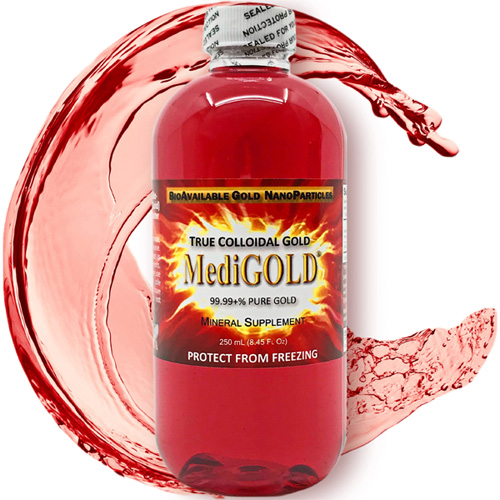 When gold is ground into tiny particles and suspended in a liquid, it forms a substance known as colloidal gold. This liquid has unique optical properties and has been used in ancient times for decorative purposes and more recently in certain medical and scientific applications.
Gold Alloys
Pure gold is very soft, so it is often mixed with other metals to create alloys with enhanced strength and durability. Common gold alloys include 18K (75% gold), 14K (58.5% gold), and 10K (41.7% gold). But, we will sell 24K gold, which is 99.999% pure gold 😉
Gold’s Malleability
Gold is highly malleable, meaning it can be hammered into thin sheets, also known as gold leaf. A single ounce of gold can be stretched into a sheet that covers about 300 square feet 😃
Using this unique property of gold, Rutherford made numerous groundbreaking discoveries about the structure of the atom, leading to what is now known as the Rutherford atomic model, nuclear atom, or planetary model of the atom. For this experiment, he prepared an incredibly thin foil of gold, only three atoms thick, a feat impossible with other metals and elements. He then bombarded this thin gold foil with alpha particles. You can learn more about the Rutherford experiment here.
I mentioned the significance of the Rutherford experiment to highlight the crucial role gold has played in advancing scientific knowledge.
Fort Knox
The United States Bullion Depository in Fort Knox, Kentucky, is famous for storing a large portion of the country’s gold reserves. However, the last time an official audit of the gold reserves was conducted was in the 1950s, leading to speculation and conspiracy theories about its actual contents.
Gold in Medicine
Gold has been used in medicine historically to treat various ailments, including arthritis. While its medicinal use has diminished over time, some forms of gold compounds are still used to treat certain conditions today. I explained about colloidal gold above.
Ancient Currency
Gold has been used as a form of currency for thousands of years. It was widely used in coinage, and the gold standard was adopted by many countries as a basis for their monetary systems until the 20th century.
These are just a few interesting facts about gold, but there is so much more to explore about this captivating element and its role in human history and modern society. Now that LuckScout is preparing to sell 24K gold as a new product and a source of income for The LuckScout Community, let’s take a moment to delve into the history of gold in human civilization.
Gold in Human Civilization
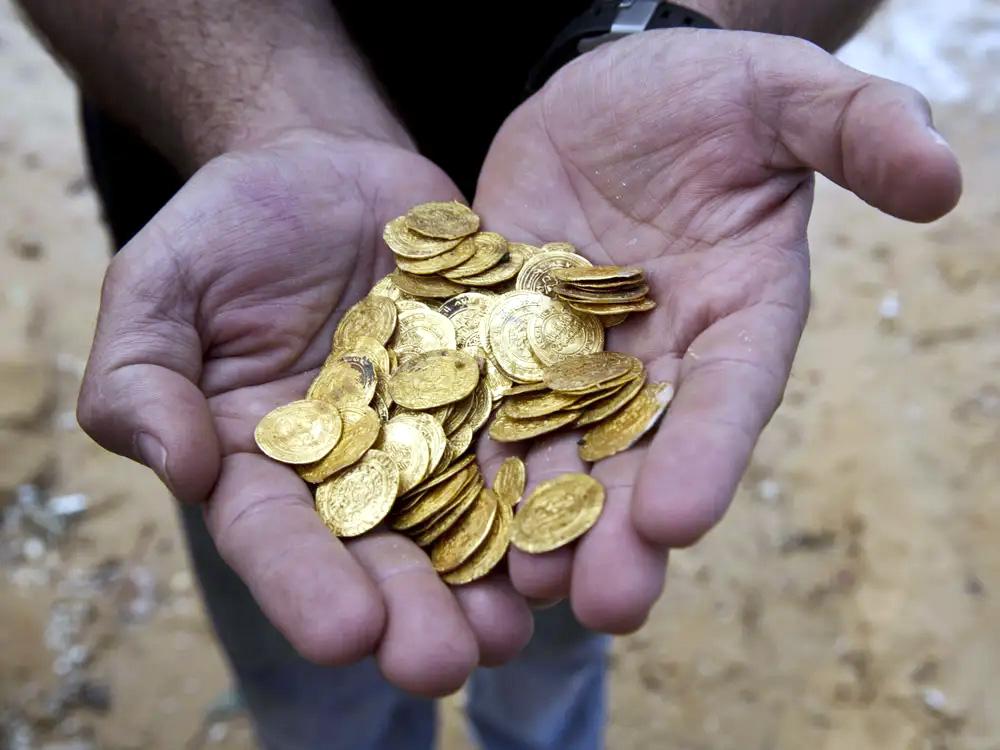 The history of gold in human life and civilization is long and intricate, dating back thousands of years. Gold has played a significant role in shaping cultures, economies, and even entire empires. Here’s an overview of its historical significance:
Early Discoveries
Gold was one of the first metals to be discovered and used by early human societies. Archaeological evidence suggests that gold artifacts have been found in ancient Mesopotamia, Egypt, and the Indus Valley dating as far back as 3000 BCE.
Symbol of Royalty and Divinity
Ancient civilizations associated gold with gods, power, and the afterlife. Pharaohs in ancient Egypt were often buried with vast quantities of gold to accompany them in the afterlife. Gold artifacts were also commonly used in religious ceremonies and offerings.
Currency and Trade
Gold became a form of currency in various civilizations, including the ancient Egyptians, Greeks, and Romans. It facilitated trade and commerce across borders, as it was easily recognizable and valued universally.
Gold Standard
In more recent history, many countries adopted the gold standard during the 19th and early 20th centuries. Under the gold standard, paper currency could be exchanged for a specific amount of gold, effectively tying the value of money to a certain quantity of gold: Fiat Money vs Assets Like Gold and the Pros and Cons
Exploration and Conquest
The search for gold was one of the driving factors behind exploration and colonization during the Age of Discovery. European powers sought new trade routes and territories to access gold and other valuable resources.
California Gold Rush
In 1848, gold was discovered in California, sparking one of the largest gold rushes in history. People from around the world flocked to California in search of fortune, shaping the state’s future and economic growth.
Gold Reserves and Central Banks
As nations amassed wealth, gold reserves became an essential part of their financial security. Central banks began to hold significant amounts of gold to support their currencies and ensure stability in times of economic uncertainty.
Modern Uses
Beyond its historical value, gold has numerous modern uses. It is widely used in jewelry, electronics, dentistry, and even space exploration. Gold nanoparticles have found applications in medicine, catalysis, and environmental cleanup.
Gold Markets
Today, gold remains an important asset in financial markets. Investors often consider gold as a safe-haven investment during times of economic instability or inflation.
Throughout history, gold has consistently symbolized wealth, power, and beauty. Its allure and practical applications have made it an enduring and influential element in human culture and civilization.
A Question For You:
As a member of The LuckScout Community, having learned so much about gold that you might not have known before, what are your thoughts on the idea of sharing in the profits we will generate from selling 24K gold on LuckScout? Please feel free to share your comments. Thank you, and I appreciate and love you all!🙂❤️🌺🌹